
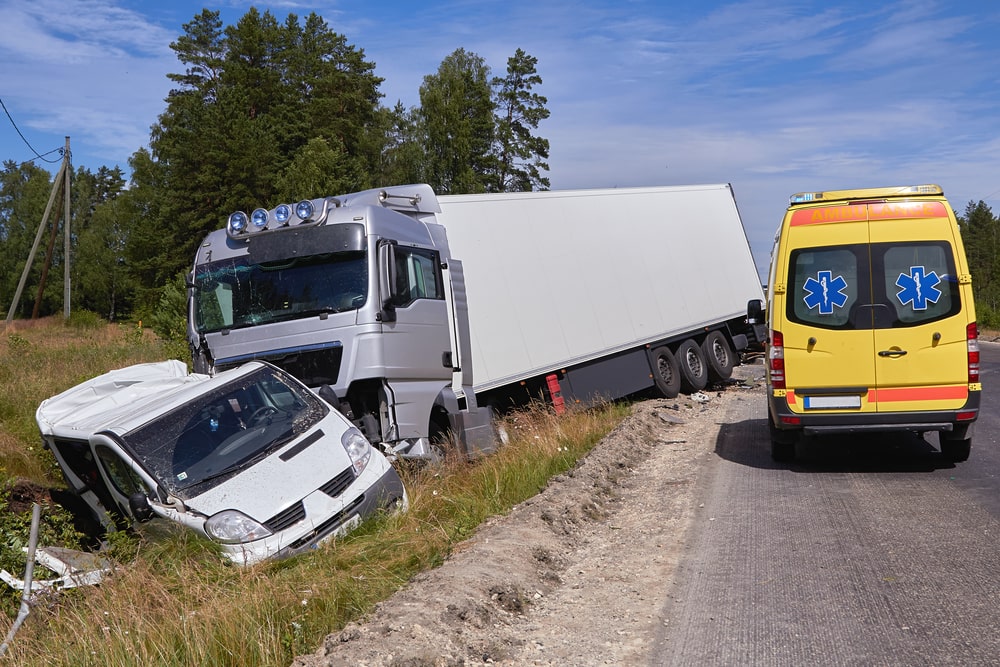
Collisions involving semi-trucks, 18-wheelers, and other commercial vehicles result in catastrophic injuries far more often than typical car accidents. The sheer size and weight difference between passenger vehicles and trucks weighing up to 80,000 pounds means occupants of smaller vehicles bear the brunt of impact forces. These crashes often cause life-altering injuries, permanent disabilities, or fatalities that devastate entire families.
Our friends at Law Offices of David A. DiBrigida discuss how these cases involve multiple potentially liable parties and federal regulations governing the trucking industry. A truck accident lawyer investigates all aspects of commercial vehicle crashes, identifies everyone who shares responsibility, deals with aggressive trucking company legal teams, and fights for compensation that truly reflects the severity of injuries. These attorneys understand both personal injury law and the specific regulations that apply to commercial trucking operations.
Why Truck Accident Cases Differ
Commercial truck crashes involve different legal considerations than standard car accidents. Multiple parties might share liability including the truck driver, trucking company, cargo loaders, maintenance providers, and vehicle or parts manufacturers. Each potentially liable party has their own insurance and legal representation working to minimize their exposure.
Federal regulations from the Federal Motor Carrier Safety Administration govern commercial trucking. According to FMCSA data, these regulations cover driver qualifications, hours of service, vehicle maintenance, cargo securement, and safety standards. Violations of these regulations often contribute to crashes and establish negligence.
Insurance coverage differs dramatically from personal auto policies. Commercial trucks carry policies with much higher limits, often $1 million or more. This means more compensation is available, but also that insurance companies fight harder to avoid paying large claims.
Evidence preservation becomes urgent because trucking companies must preserve certain records but often have incentives to lose or destroy evidence showing their negligence. Electronic logging devices, maintenance records, driver logs, and black box data can disappear if not secured immediately through legal processes.
Common Causes Of Truck Crashes
Driver fatigue results from hours of service violations where drivers exceed legal limits on consecutive driving time. Tired truckers have slower reaction times and impaired judgment similar to intoxicated drivers.
Distracted driving includes phone use, eating, adjusting GPS devices, or other activities that take attention from the road. Professional drivers who spend all day behind the wheel sometimes become complacent about safety.
Improper loading creates unstable cargo that shifts during transport, affecting vehicle balance and control. Overloaded trucks exceed weight limits and require longer stopping distances. Unsecured cargo can spill onto roadways creating additional hazards.
Poor maintenance from skipped inspections or ignored mechanical problems causes brake failures, tire blowouts, and other preventable equipment failures. Trucking companies sometimes prioritize keeping vehicles moving over proper maintenance schedules.
Inadequate training leaves inexperienced drivers unprepared to handle large commercial vehicles safely. Companies that rush drivers through training to get them on the road quickly create dangerous situations.
Speeding and aggressive driving by truckers trying to meet unrealistic delivery schedules causes loss of control and inability to stop in time to avoid collisions.
Multiple Liable Parties
Truck drivers bear responsibility for their negligent operation including speeding, distracted driving, fatigue, or traffic violations. However, they’re often not the only liable parties.
Trucking companies can be held liable for their drivers’ actions under respondeat superior doctrine when drivers act within the scope of employment. Companies also have independent liability for negligent hiring, inadequate training, pressuring drivers to violate hours of service rules, or failing to maintain vehicles properly.
Cargo companies that load trucks improperly create dangerous conditions. Shifting loads, overweight configurations, or unsecured cargo all cause accidents that loading companies may be liable for.
Maintenance providers who service trucks negligently and miss safety issues share responsibility when mechanical failures cause crashes.
Manufacturers of defective truck parts or vehicles face product liability claims when design or manufacturing defects contribute to accidents.
Types Of Injuries From Truck Crashes
The force involved in truck accidents often causes severe injuries:
- Traumatic brain injuries from head impacts
- Spinal cord damage resulting in paralysis
- Multiple fractures requiring surgical repair
- Internal organ damage and internal bleeding
- Severe burns from fuel fires
- Amputations of crushed limbs
- Permanent scarring and disfigurement
These catastrophic injuries require extensive medical treatment, lengthy rehabilitation, and often result in permanent disabilities affecting your ability to work and enjoy life.
Federal Trucking Regulations
FMCSA regulations create safety requirements that, when violated, often establish negligence. Hours of service rules limit how many consecutive hours drivers can operate vehicles and mandate rest periods. Electronic logging devices track compliance, and we examine this data for violations.
Vehicle maintenance regulations require regular inspections and repairs. Maintenance records show whether companies properly serviced their fleet or ignored known problems.
Driver qualification standards govern licensing, medical fitness, training, and background checks. Companies that hire unqualified drivers or skip required screenings face liability when those drivers cause crashes.
Drug and alcohol testing requirements aim to keep impaired drivers off roads. Violations of testing protocols can lead to substantial liability.
The Investigation Process
We begin investigating immediately after crashes, sending preservation letters to trucking companies requiring them to preserve all evidence. This includes electronic logging device data, maintenance records, driver personnel files, dispatch communications, and black box data from the truck itself.
Accident reconstruction professionals analyze crash scenes, vehicle damage, road conditions, and physics involved to determine how collisions occurred and who was at fault. Their testimony helps juries understand technical aspects of crashes.
Federal motor carrier safety records from FMCSA databases reveal trucking companies’ safety ratings, inspection histories, and prior violations. Companies with poor safety records face stronger negligence claims.
Driver logs and electronic data show whether hours of service violations occurred. Discrepancies between paper logs and electronic data often reveal drivers falsified records to hide violations.
Dealing With Trucking Company Tactics
Trucking companies and their insurers deploy sophisticated strategies to minimize liability. They dispatch investigation teams to crash scenes immediately, sometimes arriving before police. These teams gather evidence favorable to the company while downplaying information that shows negligence.
Insurance adjusters contact victims quickly with low settlement offers before you understand injury severity or have legal representation. They hope to resolve claims cheaply before you realize the full extent of your damages.
Companies sometimes claim drivers were independent contractors rather than employees to avoid vicarious liability. We investigate actual relationships between companies and drivers to determine true employment status.
Defense attorneys argue comparative negligence, claiming you contributed to the crash through your own actions. They examine every aspect of your conduct looking for ways to shift blame and reduce their client’s liability.
Compensation In Truck Accident Cases
Economic damages cover measurable financial losses including medical expenses for emergency treatment, hospitalization, surgery, and rehabilitation. Future medical costs for ongoing care, additional surgeries, or lifetime treatment needs are calculated based on medical testimony.
Lost wages compensate for income you’ve already missed. Reduced earning capacity addresses permanent injuries that prevent you from returning to your previous career or limit your earning potential.
Property damage includes vehicle replacement or repair costs.
Non-economic damages address pain and suffering, emotional trauma, loss of enjoyment of life, permanent disability, and disfigurement. Severe injuries that permanently alter your life warrant substantial non-economic compensation.
Punitive damages apply in cases involving gross negligence or willful misconduct. Trucking companies that knowingly violate safety regulations or pressure drivers to break laws face punitive damages that punish this conduct and deter future violations.
Time Limits And Legal Deadlines
Statutes of limitations for truck accident claims vary by state but typically range from one to three years. Missing these deadlines means losing your right to compensation forever.
However, you should act much sooner than statutory deadlines require. Evidence preservation is time-sensitive. Electronic data gets overwritten, witnesses forget details, and companies destroy records they’re no longer legally required to maintain.
Insurance companies interpret delays as evidence injuries weren’t serious. Acting promptly protects your claim’s value and your ability to prove what happened.
The Settlement Process
Most truck accident cases settle before trial, but settlements should reflect full damage value. Initial offers rarely do. We thoroughly document all losses, consult with medical professionals about future needs, and calculate the true cost of your injuries.
Negotiations with multiple insurance carriers representing different liable parties can be complicated. We handle these discussions while you focus on recovery.
If fair settlement cannot be reached, we’re prepared to take cases to trial. Sometimes the only way to obtain just compensation is putting your case before a jury.
Moving Forward After Your Crash
Being hit by a commercial truck changes everything. Your injuries may prevent you from working, enjoying activities you love, or even performing basic daily tasks. Medical bills pile up while you’re unable to earn income. The trucking company and their insurers have teams working to minimize what they pay you, and you’re left wondering how to move forward.
If you’ve been injured in a truck accident, don’t face this alone. These cases require immediate investigation, knowledge of federal trucking regulations, and ability to stand up to well-funded corporate defendants. Contact an attorney who handles commercial vehicle crashes to discuss your situation and protect your rights. Your future recovery and financial stability depend on holding all responsible parties accountable for the harm their negligence caused.