
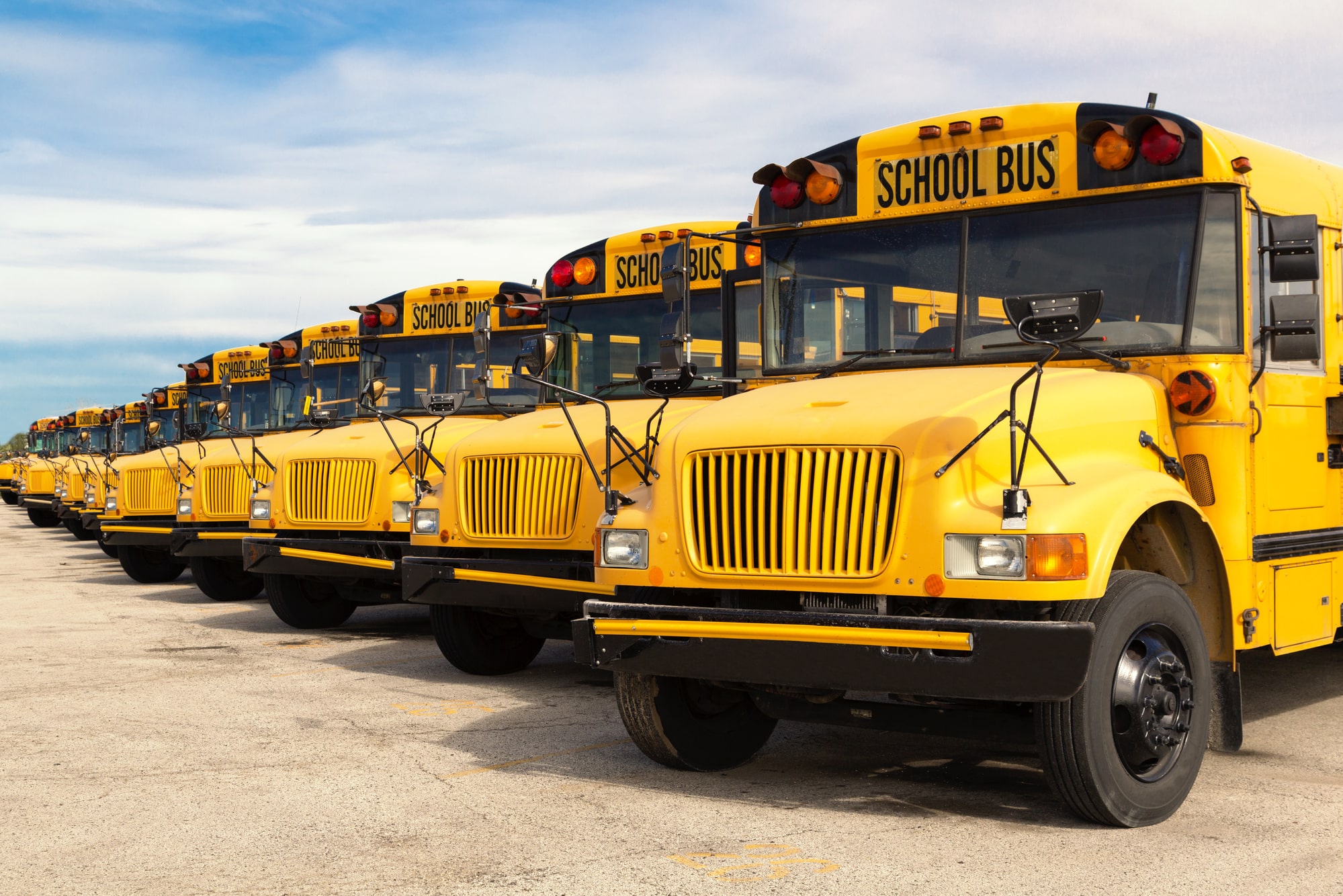
School bus accidents involve legal rules that don’t apply to ordinary car crashes. Governmental immunity, shortened claim deadlines, damage caps, and special safety regulations create a different legal framework for pursuing compensation. Parents whose children are injured on school buses face additional challenges understanding who’s responsible and how to hold them accountable when buses operated by school districts or private companies cause harm.
Our friends at Mitchell & Danoff Law Firm, Inc discuss how school bus accident cases require understanding both transportation safety laws and governmental tort claim procedures. A personal injury lawyer experienced with school district liability can help families pursue compensation despite the procedural obstacles that protect government entities from lawsuits.
Who Operates The School Bus Matters
School districts sometimes operate their own bus fleets with district employees driving buses. Other districts contract with private transportation companies who provide buses and drivers. This distinction dramatically affects liability and which rules apply to your claim.
District-operated buses invoke governmental immunity protections that limit liability and impose special claim procedures. Private company buses are treated more like commercial vehicles without the same governmental protections.
Determining who employed the driver and owned the bus becomes the first step in understanding what legal rules govern your case. This information appears on accident reports and can be obtained from the school district.
Governmental Immunity Protections
School districts and other government entities enjoy immunity from many lawsuits under sovereign immunity doctrines. While most states have waived immunity for negligent operation of vehicles, significant limitations and special procedures remain.
Damage caps limit how much you can recover from government entities regardless of injury severity. These caps vary by state but commonly range from $250,000 to $1 million, far less than juries might award without caps.
Many states prohibit punitive damages against government entities even when driver conduct was reckless or intentional. This eliminates a significant component of damages available in cases against private defendants.
Notice Of Claim Requirements
Claims against government entities typically require filing formal notice within short deadlines, often 90 days to one year from the accident. These notice requirements are strictly enforced, and missing the deadline completely bars your claim.
The notice must include specific information about the accident, injuries, and damages. Insufficient notice can result in claim dismissal even if filed within the deadline. Each state has different requirements for notice content and where it must be filed.
Standard personal injury statutes of limitations don’t apply to government claims. The special notice deadlines are much shorter than ordinary lawsuit filing deadlines, catching many families off guard when they learn they’ve lost their rights by waiting too long.
Federal Motor Carrier Safety Regulations
School buses must comply with Federal Motor Carrier Safety Administration regulations even though most school transportation is local. These regulations cover driver qualifications, vehicle maintenance, hours of service, and safety equipment.
Violations of these federal safety standards can establish negligence in accident cases. If the bus driver lacked proper licensing, the bus wasn’t properly maintained, or safety equipment was defective, these violations support liability claims.
State laws add requirements beyond federal standards. Many states have specific regulations for school bus equipment, driver training, student loading and unloading procedures, and route safety.
Special Rules For Student Passengers
Children injured while riding school buses as passengers typically have strong claims because they bear no responsibility for accidents. Unlike adult passengers who might have contributed to crashes through distraction or interference, child passengers are blameless victims.
School districts and transportation companies have heightened duties to protect children who cannot protect themselves. These enhanced duties mean even minor negligence can result in liability when children are injured.
The vulnerability of child passengers and the trust parents place in school transportation creates sympathetic cases that juries take seriously. However, damage caps on government claims limit recovery regardless of jury sympathy.
Bus Driver Negligence
Driver error causes many school bus accidents. Distracted driving, failure to check mirrors, improper turns, speeding, and running traffic controls all represent negligent conduct creating liability.
School bus drivers must meet higher training and licensing standards than regular drivers. Commercial driver’s licenses with passenger and school bus endorsements are required, and violations of these licensing requirements strengthen negligence claims.
Driver fatigue contributes to some accidents. If districts or companies pressure drivers to work excessive hours or drivers violate hours-of-service regulations, this creates additional liability theories.
Maintenance And Inspection Failures
School districts and transportation companies must maintain buses in safe operating condition. Brake failures, tire blowouts, steering problems, and other mechanical issues caused by inadequate maintenance create liability.
Regular inspection requirements exist at both federal and state levels. Failure to conduct required inspections or ignoring identified maintenance needs constitutes negligence when mechanical failures cause accidents.
Maintenance records become important evidence in school bus cases. These documents show whether required inspections occurred, what problems were identified, and whether necessary repairs were completed.
Third-Party Liability
Other drivers who cause accidents involving school buses are liable under normal negligence principles without governmental immunity protections. If a car runs a red light and hits a school bus, the car driver’s standard auto insurance covers injuries.
Potentially liable third parties include:
- Drivers who collide with school buses
- Vehicle manufacturers if defects caused accidents
- Maintenance contractors who improperly serviced buses
- Road design engineers if dangerous conditions contributed
- Other entities whose negligence caused or contributed to crashes
Pursuing third-party liability often provides better recovery prospects than claims against government entities limited by immunity and damage caps.
Loading And Unloading Zone Accidents
Many school bus accidents occur while students are boarding or exiting buses. Drivers who illegally pass stopped school buses with flashing lights and stop arms extended cause tragic injuries and deaths.
State laws impose severe penalties for passing stopped school buses. These violations establish negligence per se in injury cases, making liability clear when drivers illegally pass buses loading or unloading children.
Bus drivers and districts can share liability for loading zone accidents if drivers fail to properly activate safety equipment, don’t adequately supervise students crossing streets, or create dangerous loading zone conditions.
Route Safety And Planning
School districts have duties to plan safe routes and bus stops. Placing stops in dangerous locations, requiring children to cross high-traffic roads, or failing to address known hazards along routes can create district liability.
Parents who’ve complained about dangerous bus stops or route conditions strengthen claims when accidents occur at those locations. Prior notice of dangers shows districts knew about risks and failed to address them.
Handling Multiple Injured Victims
School bus accidents often injure multiple students. When limited insurance or governmental immunity caps exist, multiple claims compete for limited funds. Early action becomes important to protect your child’s interests.
Damage caps apply per occurrence in some states, meaning all victims share a single pot of money. In other states, per-person caps allow each victim to recover up to the maximum. Understanding your state’s rules affects strategy.
Documentation Specific To School Bus Cases
Obtain copies of the bus driver’s personnel file, training records, driving history, and any prior complaints or disciplinary actions. These records often aren’t public and require formal discovery requests in litigation.
Bus maintenance and inspection records prove whether the vehicle was properly maintained. Missing inspection records or documentation of ignored maintenance needs provide powerful evidence of negligence.
The bus’s electronic logging device (if equipped) and any onboard cameras provide objective evidence about the accident. Preserve this evidence quickly through formal preservation demands to prevent deletion or loss.
Insurance Coverage Issues
School districts often self-insure or have complex governmental risk pools rather than traditional insurance. Understanding the available coverage affects settlement strategy and potential recovery.
Private transportation companies typically carry commercial auto liability insurance. These policies have higher limits than personal auto insurance but might still be insufficient for serious injuries to multiple victims.
The Claims Process Timeline
Government claim notices must be filed first, before any lawsuit. The government entity then has time to investigate and respond, often 90 days or more. Only after claim denial or failure to respond can you file suit.
This extended timeline means school bus injury cases take longer than ordinary accident cases even before considering the additional time for litigation if claims are denied.
Special Considerations For Injured Children
Children’s injury claims have different statutes of limitations than adult claims. Many states don’t start the clock until children reach 18, but governmental notice requirements often don’t provide the same extensions.
Parents or guardians must file claims on behalf of minor children. Court approval is typically required for any settlement of a minor’s claim, adding another procedural step to recovery.
Why Professional Guidance Matters
School bus accident cases combine personal injury law, governmental immunity law, federal transportation regulations, and often premises liability principles. This intersection of legal areas creates complexity that requires specific knowledge and experience.
The short deadlines for government claims and the procedural requirements for notice make self-representation particularly risky. Missing a deadline or filing inadequate notice permanently bars your child’s claim.
If your child was injured in a school bus accident and you need help understanding liability, governmental immunity issues, and the special procedures for pursuing compensation from school districts or transportation companies, reach out to discuss your situation and learn how to protect your child’s rights despite the unique challenges these cases present.