
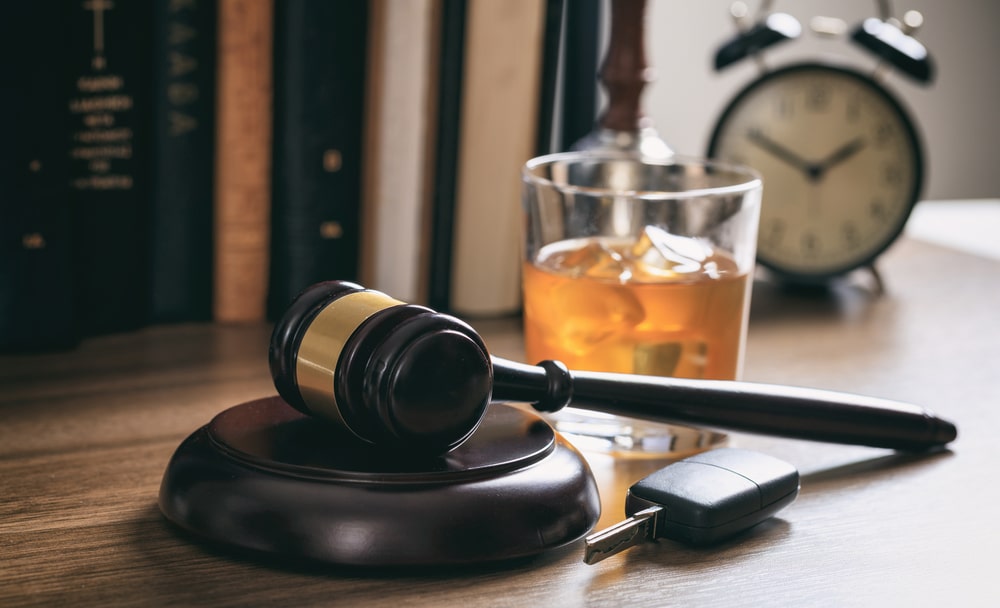
Getting injured by a drunk driver creates anger on top of physical pain and financial losses. While standard compensation covers medical bills and lost wages, punitive damages provide additional money designed to punish the drunk driver and deter others from similar conduct. Not every drunk driving case qualifies for these extra damages, but understanding when they’re available helps you pursue full accountability.
Our friends at Andersen & Linthorst handling impaired driving cases know that punitive damages transform settlements and verdicts in appropriate situations. A drunk driving accident lawyer can evaluate whether your case meets the standards for seeking punitive damages and build the evidence needed to support your claim.
The Purpose Of Punitive Damages
Most personal injury damages are compensatory. They aim to make you whole by covering your actual losses from medical expenses, lost income, property damage, and pain and suffering. These damages focus on your harm rather than the defendant’s conduct.
Punitive damages serve a different purpose entirely. Courts award them to punish defendants for particularly egregious behavior and to discourage others from acting similarly. The money still goes to you as the plaintiff, but the primary goal is deterrence and punishment rather than compensation for your specific losses.
According to the National Highway Traffic Safety Administration, thousands of people die in drunk driving crashes annually despite decades of awareness campaigns. Punitive damages represent one tool the legal system uses to combat this ongoing public safety threat.
When Drunk Driving Cases Qualify
Not every case involving an intoxicated driver automatically qualifies for punitive damages. State laws set different standards, but most require proving the drunk driver’s conduct went beyond ordinary negligence to something more culpable.
Common standards include showing the driver acted with reckless disregard for the safety of others, demonstrated willful or wanton misconduct, or engaged in behavior showing conscious indifference to consequences. Simply being over the legal blood alcohol limit might not meet these thresholds in some jurisdictions, while extremely high intoxication levels or aggravating factors often do.
Blood Alcohol Content Levels
Blood alcohol concentration matters significantly in punitive damage claims. A driver barely over the 0.08 legal limit presents a weaker case for punitive damages than someone with a BAC of 0.15 or higher. Many states consider BAC levels above certain thresholds as evidence of reckless disregard automatically.
Extremely high BAC readings of 0.20 or above demonstrate such severe impairment that operating a vehicle becomes obviously dangerous. These cases typically support punitive damage claims because the driver couldn’t have been unaware of their extreme intoxication and the risks they created.
Aggravating Factors That Support Punitive Claims
Beyond BAC levels, other circumstances strengthen punitive damage claims against drunk drivers. Prior DUI convictions show the driver knew the dangers of impaired driving but chose to do it again. This pattern of behavior demonstrates the conscious disregard that punitive damages aim to punish.
Driving with a suspended license due to prior DUI offenses compounds the egregiousness. The driver not only chose to drink and drive but did so while legally prohibited from operating any vehicle.
Additional reckless behaviors beyond the intoxication itself bolster punitive claims:
- Excessive speeding while drunk
- Running red lights or stop signs
- Driving on the wrong side of the road
- Fleeing the accident scene
- Having open containers in the vehicle
- Driving drunk with children in the car
Each aggravating factor makes the driver’s conduct appear more deliberate and their disregard for safety more obvious to juries.
How Punitive Damages Are Calculated
Unlike compensatory damages that tie directly to your actual losses, punitive damages don’t follow mathematical formulas. Juries or judges determine amounts based on multiple factors designed to punish the defendant adequately and deter future conduct.
The severity of the misconduct directly affects punitive awards. More egregious behavior warrants higher punishment. A driver with a 0.25 BAC who caused a crash while fleeing police likely faces higher punitive damages than someone with a 0.10 BAC in a straightforward collision.
The defendant’s financial situation also matters. Punitive damages should be significant enough to impact the defendant. A $50,000 punitive award might devastate a minimum-wage worker but mean nothing to a wealthy business owner. Courts consider the defendant’s assets and income when determining appropriate punishment levels.
Proportionality Requirements
The U.S. Supreme Court has established constitutional limits on punitive damages to prevent excessive awards. Courts examine the ratio between compensatory and punitive damages, typically viewing awards exceeding a 10:1 ratio as potentially unconstitutional unless exceptional circumstances exist.
If your compensatory damages total $100,000, punitive damages above $1 million would face heightened scrutiny. However, when compensatory damages are small but the defendant’s conduct was particularly egregious, courts sometimes allow higher ratios to provide meaningful deterrence.
State-Specific Caps And Limitations
Many states impose statutory caps limiting punitive damage awards regardless of jury verdicts. These caps range from specific dollar amounts to multipliers of compensatory damages. Some states allow unlimited punitive damages in drunk driving cases, recognizing the serious public safety threat impaired driving represents.
A few states prohibit punitive damages entirely in personal injury cases or allow them only in extremely limited circumstances. Understanding your jurisdiction’s rules determines whether pursuing punitive damages makes sense in your case.
Insurance Coverage Exclusions
Most auto insurance policies exclude coverage for punitive damages. While the drunk driver’s liability insurance pays your compensatory damages, you typically collect punitive awards directly from the driver’s personal assets. This reality affects both your ability to collect and the defendant’s motivation to settle.
Drunk drivers facing substantial punitive damage exposure often have more incentive to settle cases before trial for amounts that include some additional compensation beyond strict economic and pain and suffering damages. They avoid the risk of jury verdicts that could exceed insurance coverage and require payment from personal funds.
Proving Your Punitive Damage Claim
Building a strong punitive damage case requires evidence beyond what’s needed for standard liability and compensatory damages. We gather police reports documenting the drunk driver’s BAC, field sobriety test results, and officer observations about their impairment level.
Criminal court records from DUI prosecution provide valuable evidence. Conviction for drunk driving, while not required for civil punitive damages, certainly supports your claim. Prior DUI convictions appearing in criminal records demonstrate patterns of dangerous behavior.
Witness testimony about the driver’s condition before the crash strengthens your case. Statements from bar staff who served them, passengers who rode with them, or people who saw their erratic driving before the collision all help establish the driver’s awareness of their impairment and decision to drive anyway.
The Impact Of Criminal Proceedings
Drunk driving crashes typically result in criminal DUI charges against the driver. These criminal cases proceed separately from your civil injury claim, but the outcomes can affect each other. A criminal conviction makes proving liability in your civil case much easier.
However, you don’t need to wait for criminal proceedings to conclude before pursuing your civil claim. The burden of proof differs, and you can prevail in civil court even if criminal charges are dismissed or result in acquittal. Criminal cases require proof beyond a reasonable doubt, while civil cases need only a preponderance of the evidence.
Plea agreements in criminal cases sometimes include provisions where the defendant admits to facts supporting your civil claim. These admissions can be used in your lawsuit and significantly strengthen both liability and punitive damage arguments.
Negotiating Settlements With Punitive Claims
Drunk drivers and their insurers approach settlement negotiations differently when punitive damages are on the table. The risk of an uninsured punitive judgment motivates defendants to reach agreements even when they might otherwise prefer trial.
We leverage punitive damage exposure during settlement talks to increase compensation offers. Even if ultimate punitive awards are uncertain, the possibility changes the risk calculation for defendants and often leads to settlements above what compensatory damages alone would justify.
Settlement agreements resolving punitive damage claims often characterize portions of the payment in ways that benefit both parties. The amount might be described as general damages or pain and suffering rather than specifically labeled as punitive, allowing insurance coverage while still providing you with additional compensation beyond strict economic losses.
Maximizing Your Recovery
Drunk driving cases involving serious injuries often support claims for punitive damages that can substantially increase your total compensation. These additional damages require proving the driver’s conduct went beyond ordinary negligence to willful or reckless disregard for safety. Factors like high BAC levels, prior DUI convictions, and other reckless behaviors strengthen punitive claims. If a drunk driver injured you, document all evidence of their intoxication and reckless conduct, preserve records of any prior DUI history, and consider getting legal guidance to determine whether your case qualifies for punitive damages and how to build the strongest claim for both compensation and accountability.